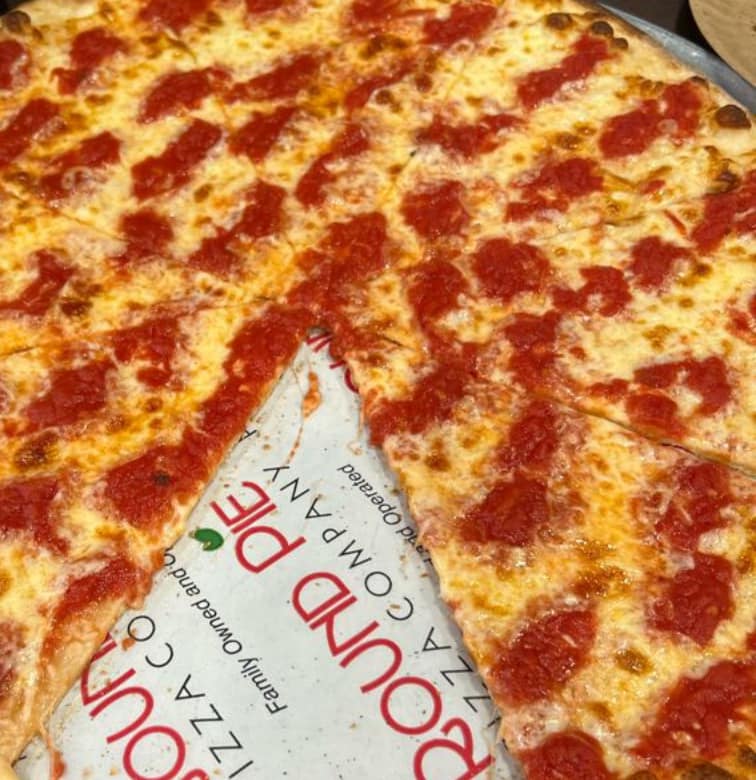
The Ultimate Guide to Regional Pizza Styles takes you on a journey through the diverse and delicious world of pizza, where each region puts its own spin on the classic dish. From the dough to the toppings, sauces, and cooking methods, pizza varies greatly depending on where you are in the world. Here’s a breakdown of the most iconic regional pizza styles:
1. Neapolitan Pizza (Italy)
- Origin: Naples, Italy
- Crust: Thin and soft with a slight chew. It is light and airy with a crisp outer edge (cornicione).
- Sauce: San Marzano tomatoes, crushed and simple, often with just a bit of salt and olive oil.
- Toppings: Simple and fresh. The classic is Margherita with fresh mozzarella, basil, and a drizzle of olive oil.
- Cooking: Traditionally cooked in a wood-fired oven at extremely high temperatures (around 800°F) for just 90 seconds to 2 minutes.
- Fun Fact: Recognized by UNESCO as an “Intangible Cultural Heritage of Humanity.”
2. New York-Style Pizza (United States)
- Origin: New York City, USA
- Crust: Thin but firm enough to hold a slice with one hand. The crust has a slight crispness but is chewy.
- Sauce: A tangy, herb-infused tomato sauce, sometimes with a touch of sweetness.
- Toppings: Mozzarella cheese is standard, with a variety of toppings such as pepperoni, sausage, mushrooms, and onions. Often sold by the slice.
- Cooking: Baked in a gas oven or a deck oven, not wood-fired, at a lower temperature than Neapolitan pizza (around 550°F).
- Fun Fact: Known for its large, foldable slices that are perfect for eating on the go.
3. Chicago Deep-Dish Pizza (United States)
- Origin: Chicago, Illinois, USA
- Crust: Thick, buttery, and biscuit-like. The crust is high, forming a “pan” to hold the filling.
- Sauce: A chunky tomato sauce often seasoned with oregano, basil, and garlic. The sauce is usually placed on top of the cheese and toppings, creating a “reverse” structure.
- Toppings: Mozzarella, sausage, green peppers, onions, and sometimes mushrooms.
- Cooking: Baked in a deep, round pan for 30-40 minutes, resulting in a rich, hearty dish.
- Fun Fact: Some consider it more of a “pizza casserole” due to its thick, pie-like structure.
4. Sicilian Pizza (Italy and United States)
- Origin: Sicily, Italy, and later adapted in the U.S.
- Crust: Thick and spongy, with a crispy exterior. The dough is slightly more bread-like than thin crust.
- Sauce: A simple, chunky tomato sauce often with garlic, onions, and herbs.
- Toppings: Mozzarella cheese, often with anchovies, olives, and sometimes a dusting of oregano. The U.S. variation often includes pepperoni and vegetables.
- Cooking: In Italy, it’s often cooked in a square pan in a wood-fired oven; in the U.S., it’s baked in a rectangular pan in a conventional oven.
- Fun Fact: In the U.S., it’s sometimes referred to as “square pizza” and is a popular option for parties due to its large size.
5. Detroit-Style Pizza (United States)
- Origin: Detroit, Michigan, USA
- Crust: Thick, rectangular, and airy with a crisp, buttery edge. Often compared to focaccia.
- Sauce: A slightly sweet tomato sauce, which is typically ladled on top of the cheese and toppings after baking (known as the “topping on top” method).
- Toppings: Mozzarella cheese (often a blend with provolone) is spread all the way to the edges of the pan for a crispy cheese crust. Toppings like pepperoni are placed directly on top of the cheese.
- Cooking: Baked in a rectangular, well-oiled steel pan at a high temperature, resulting in a crispy bottom and edges.
- Fun Fact: The pan used to bake the pizza was originally a car parts tray, making the pizza uniquely Detroit.
6. California Pizza (United States)
- Origin: California, USA
- Crust: Thin and crispy, often more like a flatbread than traditional pizza dough.
- Sauce: While traditional tomato sauce is used, many California pizzas use non-traditional sauces like olive oil, pesto, or cream-based sauces.
- Toppings: Creative and diverse, from traditional to unconventional. Some popular choices include goat cheese, arugula, smoked salmon, truffle oil, and fresh veggies like artichokes and spinach.
- Cooking: Baked in a gas oven or wood-fired oven at high heat for a quick bake.
- Fun Fact: Known for innovation and non-traditional toppings, California pizza often features a fusion of flavors from different culinary traditions.
7. St. Louis-Style Pizza (United States)
- Origin: St. Louis, Missouri, USA
- Crust: Very thin and cracker-like, with a slight crunch and no yeast.
- Sauce: A tangy, sweet tomato sauce with a distinctive flavor.
- Toppings: Provel cheese (a processed blend of cheddar, Swiss, and provolone), which is unique to St. Louis-style pizza.
- Cooking: Baked in a standard oven at a lower temperature than other styles. The crust is so thin it often doesn’t require much time to bake.
- Fun Fact: Unlike most pizzas, St. Louis-style pizza is typically cut into squares rather than slices.
8. Roman-Style Pizza (Pizza al Taglio) (Italy)
- Origin: Rome, Italy
- Crust: Thin, airy, and slightly crispy, but more substantial than Neapolitan-style.
- Sauce: Simple tomato sauce, sometimes with garlic and herbs. Fresh mozzarella is often used.
- Toppings: Often simple and seasonal—fresh vegetables, cured meats, and cheeses. A common topping is prosciutto and arugula.
- Cooking: Typically cooked in large rectangular pans in electric ovens. It’s sold by weight (al taglio), with slices cut directly from the pan.
- Fun Fact: It’s commonly eaten as a quick, on-the-go lunch or snack, often eaten while standing or walking.
9. Greek Pizza (United States)
- Origin: Grew in popularity in the U.S., particularly in New England, with Greek immigrants opening pizzerias.
- Crust: Thick, soft, and chewy with a slightly greasy texture, often baked in a pan.
- Sauce: Tomato sauce with oregano, garlic, and olive oil.
- Toppings: Mozzarella cheese, feta cheese, Kalamata olives, red onions, spinach, and sometimes gyro meat.
- Cooking: Baked in a pan (usually round or square), giving the pizza a deep, pan-cooked crust with a slight crisp on the edges.
- Fun Fact: The crust is often oily due to the olive oil used to grease the pan, which creates a unique flavor and texture.
10. Pizza Margherita (Italy)
- Origin: Naples, Italy
- Crust: Very thin, with a slightly chewy center and a crisp outer edge.
- Sauce: Simple crushed San Marzano tomatoes with a pinch of salt, sometimes with a drizzle of olive oil.
- Toppings: Fresh mozzarella di bufala, fresh basil leaves, and a drizzle of olive oil.
- Cooking: Baked in a wood-fired oven at extremely high temperatures (about 800°F), for a short time (90 seconds to 2 minutes).
- Fun Fact: Legend has it that the pizza was created in honor of Queen Margherita of Savoy in 1889, with toppings representing the colors of the Italian flag.
11. Brazilian Pizza (Brazil)
- Origin: Brazil
- Crust: Typically thin and crispy, although some places use a thicker dough.
- Sauce: Tomato sauce is used as a base, but many pizzas also use mayonnaise, cream cheese, or even ketchup.
- Toppings: Brazilian pizzas feature unique toppings like green olives, corn, peas, and a variety of cheeses. Meat lovers often enjoy chicken or pork with different spices.
- Cooking: Baked in traditional ovens or wood-fired.
- Fun Fact: Brazilian pizza is known for its creativity, and it is common to see unusual combinations like chocolate and banana pizza for dessert.
Conclusion
From the crispy, foldable slices of New York to the indulgent, deep layers of Chicago-style, and the creative toppings of California pizza, there’s a regional pizza style for everyone’s tastes. Each region has developed its own unique tradition, ingredients, and methods, turning pizza into one of the world’s most beloved dishes. Whether you prefer it traditional or adventurous, there’s a perfect pizza waiting for you to enjoy!