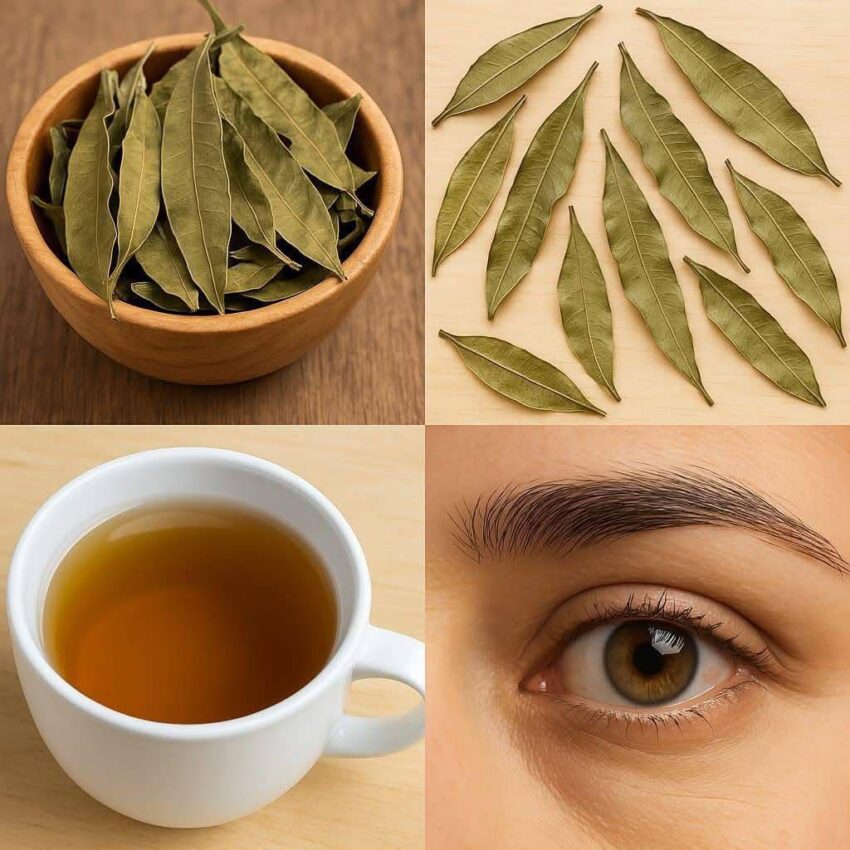
“The Tea That Improves Vision” sounds like the title of an old folk remedy—or maybe even a secret potion from a fantasy novel—but in the world of herbal wellness, a few real teas have long been associated with eye health thanks to their antioxidants, anti-inflammatory compounds, and circulation-boosting properties.
Here are some notable teas that may support or “improve” vision:
Bilberry Tea
-
Why it’s famous: Bilberries are rich in anthocyanins, powerful antioxidants believed to protect the retina and improve night vision.
-
Folk history: WWII pilots reportedly used bilberry jam to improve night vision (though science is still mixed on this).
-
Taste: Tart and fruity.
Green Tea
-
Why it helps: Packed with catechins, green tea may protect the eye’s delicate tissues from oxidative stress.
-
Bonus: May reduce the risk of glaucoma and cataracts over time.
Eyebright Tea (Euphrasia officinalis)
-
The name says it all: This herb has been traditionally used for centuries to relieve eye strain, irritation, and redness.
-
Modern use: Often found in herbal blends or as eye compresses.
Rooibos Tea
-
What it brings: Loaded with aspalathin and quercetin, rooibos may help reduce inflammation and improve circulation, supporting overall eye health.
-
Caffeine-free: A nice bedtime option.
Carrot & Ginger Herbal Tea
-
Rich in beta-carotene (from carrots), which the body converts into vitamin A—essential for vision.
-
Ginger improves blood circulation, potentially boosting nutrient delivery to the eyes.
Quick DIY Blend for Eye Health:
Ingredients:
-
1 tsp dried bilberries
-
1 tsp dried eyebright
-
1 green tea bag
-
Optional: a few goji berries (for extra vision-boosting antioxidants)
Instructions:
Steep in hot water for 10 minutes, strain, and enjoy once or twice daily.
Would you like a visual recipe card or printable version for this blend?