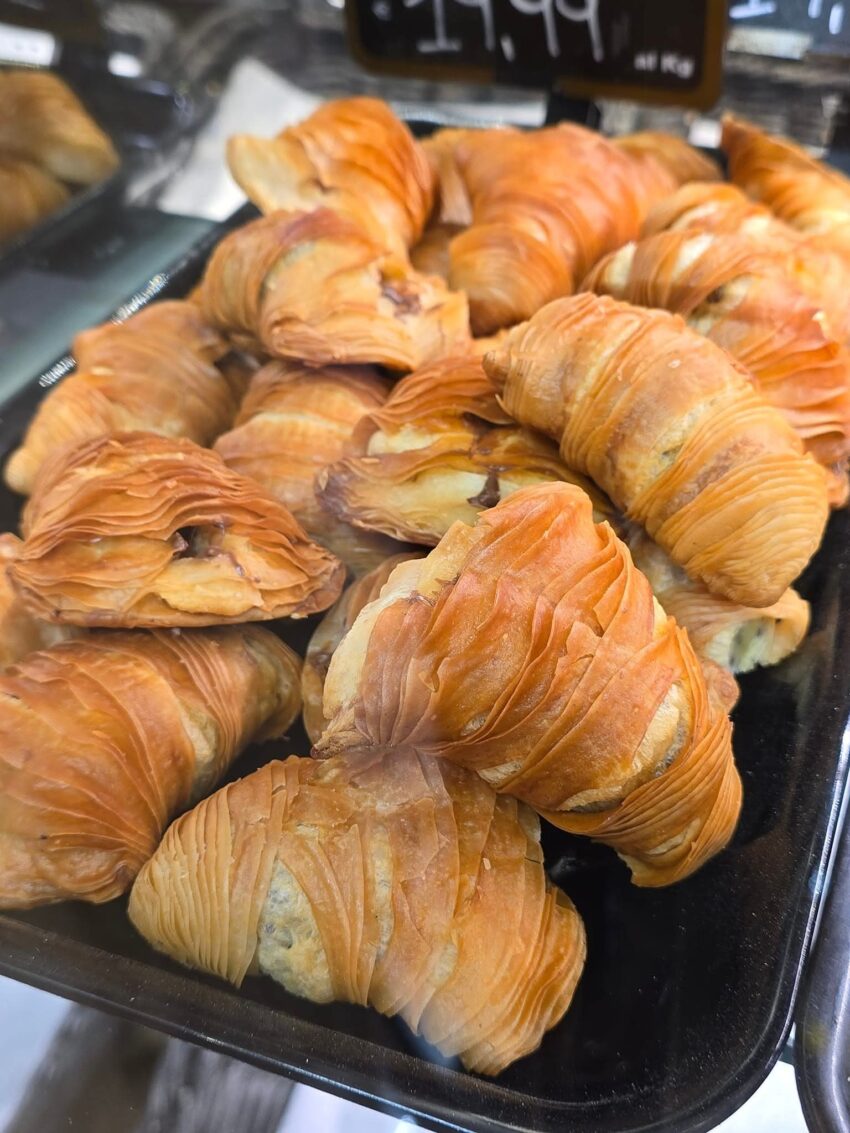
Sfogliatelle Ricce are one of the most iconic and beloved pastries from Naples, Italy. The name sfogliatella means “small, thin leaf/layer,” referencing the many crispy, flaky layers that define this pastry. The “riccia” version refers to the curly or ruffled type, made with a laminated dough similar to puff pastry but denser and more structured.
🥐 What is a Sfogliatella Riccia?
A shell-shaped pastry with many crisp layers, filled with a lightly sweetened semolina-ricotta mixture, often flavored with:
-
Orange zest or candied orange peel
-
Cinnamon
-
Sometimes vanilla or citron
🧾 Ingredients Overview
Dough:
-
All-purpose flour
-
Water
-
Salt
-
Lard (or butter for a lighter version)
Filling:
-
Semolina
-
Whole milk
-
Ricotta cheese (traditionally sheep’s milk ricotta)
-
Sugar
-
Eggs
-
Candied orange peel or citron
-
Cinnamon
-
Vanilla (optional)
🧑🍳 How They’re Made (Simplified)
-
Dough Preparation:
-
A very firm dough is kneaded, rested, and then rolled ultra-thin (traditionally by hand or with a pasta roller).
-
-
Lamination:
-
The thin sheet is brushed generously with melted lard or butter and tightly rolled into a long log.
-
It’s chilled, then sliced into rounds, which are pressed and stretched into cones to form the shell shape.
-
-
Filling:
-
Semolina is cooked with milk into a thick porridge.
-
Once cooled, it’s mixed with ricotta, sugar, eggs, and flavorings.
-
-
Assembly:
-
The cones are filled with the ricotta mixture, then the edges are sealed lightly.
-
-
Baking:
-
Baked until golden and crisp, typically at a high temperature.
-
Finished with a dusting of powdered sugar.
-
🇮🇹 Fun Fact
Sfogliatelle were originally created by nuns in a Neapolitan convent in the 17th century. They remained relatively unknown until a pastry chef named Pasquale Pintauro popularized them in Naples in the 19th century.