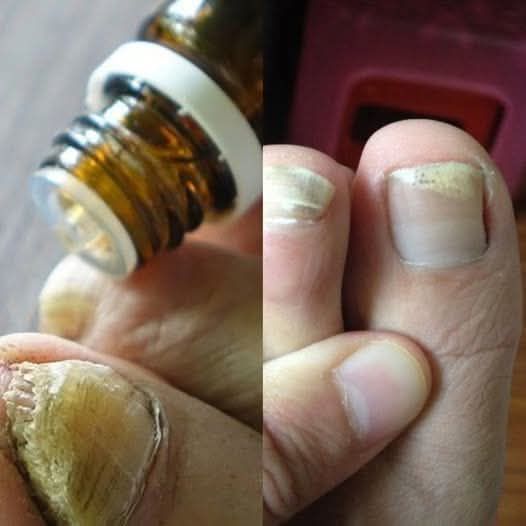
Toenail fungus (also known as onychomycosis) is a common and stubborn condition that can be difficult to treat. It can cause discolored, thickened, and brittle nails, and may lead to pain or an unpleasant appearance. While there are several treatments available, claiming to “permanently kill” toenail fungus requires careful consideration, as the success of any treatment depends on the severity of the infection, how long it has been present, and individual factors like immune health and hygiene.
There is no single “miracle solution” that guarantees permanent results, but several effective treatments can significantly improve or eliminate toenail fungus with consistent use. Let’s explore some of the most promising and science-backed options to combat toenail fungus and improve nail health.
1. Oral Antifungal Medications
Oral antifungal medications are often considered the most effective long-term solution for toenail fungus, particularly in more severe or widespread cases. These medications help kill the fungus from the inside out by working through the bloodstream.
Common Oral Antifungals Include:
-
Terbinafine (Lamisil)
-
Itraconazole (Sporanox)
-
Fluconazole (Diflucan)
These medications are typically prescribed for a period of 6 to 12 weeks, and in many cases, they can completely clear up the infection. However, they may have side effects, such as liver damage, so they should be taken under the guidance of a healthcare provider.
Pros:
-
Highly effective, particularly for severe infections
-
Target fungus directly at its source in the bloodstream
-
Clear the infection from the root
Cons:
-
Potential for side effects
-
Long treatment duration (several months)
-
May require follow-up visits with a healthcare provider to monitor liver health
2. Topical Antifungal Treatments
Topical antifungal treatments, such as creams, lacquers, and solutions, can also be effective, but they generally work better for mild to moderate cases of toenail fungus. These treatments are applied directly to the affected nails and surrounding skin.
Examples of Topical Treatments:
-
Amorolfine nail lacquer (Loceryl)
-
Ciclopirox nail lacquer (Penlac)
-
Efinaconazole (Jublia)
Pros:
-
Easier to apply and less invasive
-
Fewer systemic side effects
-
Available without a prescription (some over-the-counter options)
Cons:
-
Takes longer to show results compared to oral medications
-
May not be as effective for severe cases
-
Requires consistent application, which can be inconvenient for some people
3. Laser Treatment for Toenail Fungus
Laser therapy is an emerging treatment for toenail fungus, and some studies show it to be effective in killing the fungus beneath the nail. The laser targets the infected area and uses heat or light to destroy the fungus without harming the surrounding tissue.
Laser Treatment Options Include:
-
PinPointe FootLaser
-
Cutera Laser
While some studies show positive results, laser treatment is still considered a supplementary option rather than a primary method. It’s also expensive and may require multiple sessions.
Pros:
-
Non-invasive treatment
-
No need for medications or topical applications
-
Minimal side effects
Cons:
-
Expensive and may require multiple sessions
-
Limited availability (not all clinics offer it)
-
Results may vary, and more research is needed on long-term effectiveness
4. Natural Remedies for Toenail Fungus
While there isn’t a “miracle solution,” several natural treatments have been reported by some individuals to help manage toenail fungus, although results may vary and these are typically less scientifically proven. Natural remedies can be used as a supplementary treatment alongside medical interventions or for mild cases.
Common Natural Remedies Include:
-
Tea Tree Oil: Known for its antifungal and antimicrobial properties, tea tree oil is commonly used as a topical treatment. You can apply it directly to the infected nail using a cotton ball or dilute it with a carrier oil.
-
Apple Cider Vinegar: Soaking the feet in a mixture of apple cider vinegar and water may help balance pH levels and create an environment that is less favorable to fungal growth.
-
Oregano Oil: Contains carvacrol, a compound with antifungal properties, and is often used topically to treat fungal infections.
-
Garlic: Garlic has been shown to have antifungal properties, and applying crushed garlic to the nail may provide some benefit.
-
Coconut Oil: Contains caprylic acid, which has antifungal properties and can be applied to the affected nails to help treat fungus.
Pros:
-
Natural and easily accessible
-
Minimal side effects if used properly
-
Safe for long-term use
Cons:
-
May take a long time to see results
-
Limited scientific evidence on effectiveness for severe cases
-
Results vary from person to person
5. Proper Foot Hygiene
Along with treatments, maintaining good foot hygiene is crucial to preventing the recurrence of toenail fungus. Here are some helpful tips:
-
Keep feet clean and dry: Fungi thrive in warm, moist environments, so it’s important to dry your feet thoroughly after bathing and keep your toenails trimmed.
-
Use antifungal powder: Using antifungal foot powder can help reduce moisture and prevent fungal growth.
-
Wear breathable socks and shoes: Opt for socks made of cotton or moisture-wicking materials to keep your feet dry, and choose shoes that allow for ventilation.
-
Avoid walking barefoot in public places: Public showers, swimming pools, and locker rooms are common places where fungal infections can spread. Always wear flip-flops or sandals in these areas.
-
Disinfect shoes and nail tools: Fungus can spread through contaminated shoes or nail clippers, so be sure to disinfect them regularly.
Conclusion:
While there’s no single “miracle solution” for toenail fungus, several effective treatments can help permanently eliminate the infection. Oral antifungal medications, topical treatments, laser therapy, and natural remedies are all options, depending on the severity of the infection and your personal preferences.
If you have severe toenail fungus or it doesn’t improve with over-the-counter treatments, it’s important to consult a healthcare provider. A doctor or dermatologist can recommend the best course of action and help ensure that you’re following the right treatment plan.
Remember, toenail fungus can be persistent, and treatment may take time. Consistency is key to achieving long-term results. With the right approach, however, it’s entirely possible to clear up toenail fungus and enjoy healthy, fungus-free nails once again.