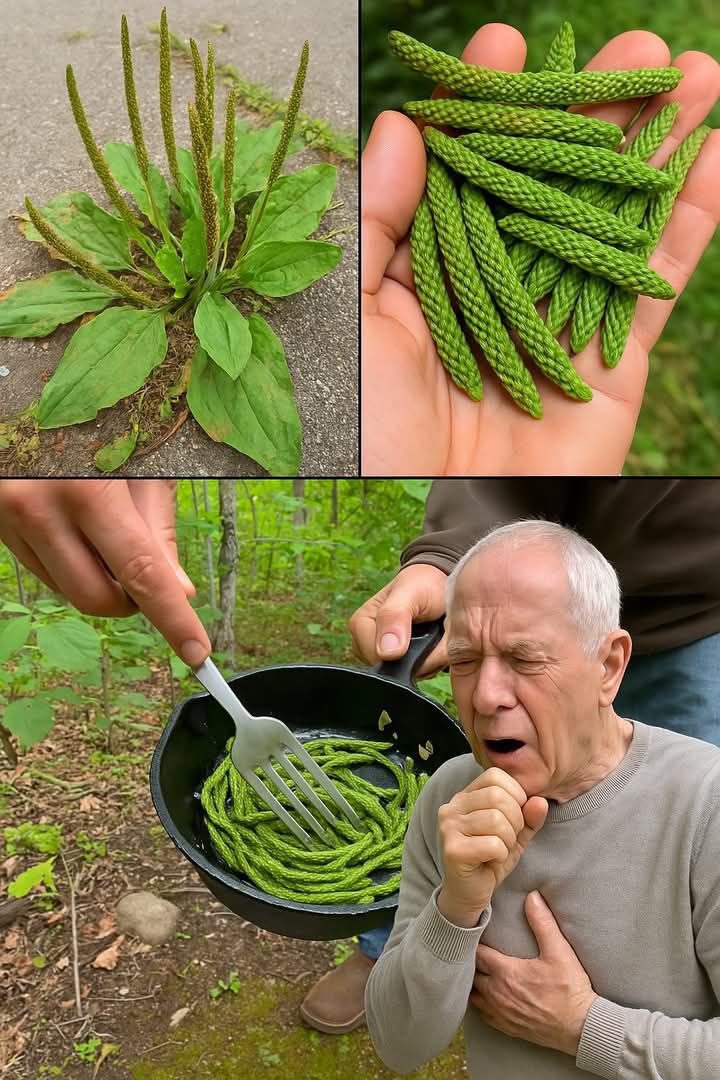
🌿 Health and Wellness Benefits of Plantago Major
✅ 1. Wound Healing & Skin Repair
-
Contains allantoin, aucubin, and flavonoids—compounds with strong anti-inflammatory and antimicrobial properties.
-
Speeds up healing of cuts, burns, insect bites, and minor skin infections.
-
Often used as a natural poultice or salve for soothing irritation and drawing out splinters or toxins.
✅ 2. Anti-inflammatory Properties
-
Reduces inflammation in both skin and internal tissues.
-
Helpful for arthritis, sore muscles, and inflamed gums (as a mouthwash or gargle).
✅ 3. Digestive Support
-
Tea made from leaves or seeds can help soothe gastritis, ulcers, indigestion, and irritable bowel syndrome (IBS).
-
Mild laxative effect from the seeds, similar to psyllium (Plantago ovata).
✅ 4. Respiratory Health
-
Traditionally used to relieve coughs, bronchitis, asthma, and sore throat.
-
Its mucilage (gel-like fiber) coats and soothes irritated respiratory linings.
✅ 5. Immune Support & Antimicrobial Action
-
Contains compounds that inhibit bacteria like Staphylococcus aureus and E. coli.
-
May support overall immune response by reducing oxidative stress.
✅ 6. Urinary Tract Health
-
Acts as a mild diuretic, helping flush out the kidneys and bladder.
-
Sometimes used in herbal formulas for UTIs and bladder inflammation.
☕ How to Use:
-
Tea/Infusion: Steep dried leaves in hot water for 10–15 minutes. Drink 1–2 cups per day.
-
Poultice: Crush fresh leaves and apply directly to skin.
-
Salve or Balm: Infuse in oil and blend with beeswax.
-
Tincture: Available in herbal stores; follow dosage on label.
-
Fresh juice (from leaves): Can be applied topically or taken in small amounts internally.
⚠️ Precautions:
-
Generally safe, but avoid if you’re allergic to plantain species.
-
Start with small doses; excess use (especially of seeds) may affect digestion.
-
Consult a healthcare provider if you’re pregnant, breastfeeding, or on medication.
Would you like a DIY recipe for a Plantago salve or tea blend?