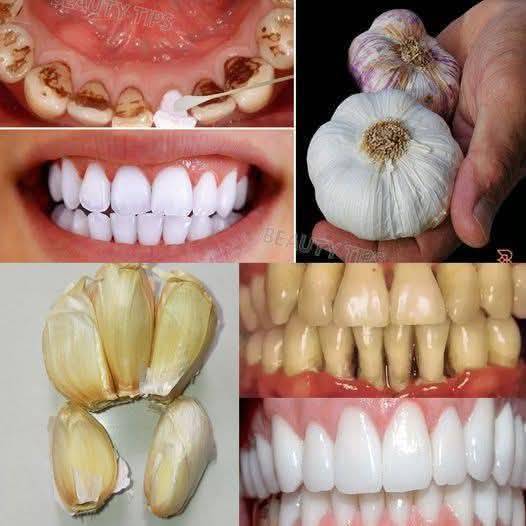
Using garlic and baking soda for teeth whitening is an unconventional method, and while both ingredients have benefits for oral health, they are not typically recommended together for teeth whitening.
Let’s break it down:
Baking Soda:
- What it does: Baking soda (sodium bicarbonate) is mildly abrasive and can help remove surface stains from your teeth. It works by gently scrubbing away plaque and stains from things like coffee, tea, or red wine.
- How to use it: You can use a small amount of baking soda on a toothbrush and gently brush your teeth. It’s effective, but you should not use it too frequently because its abrasiveness can wear down enamel over time.
Garlic:
- What it does: Garlic has natural antibacterial properties and can help with oral health in terms of fighting bacteria in your mouth. It can contribute to better breath and potentially reduce the risk of gum disease, but it doesn’t have significant whitening effects.
- How to use it: Some people crush or chew raw garlic for its antibacterial properties, but its strong odor and taste make it less practical for teeth whitening.
Combining Garlic and Baking Soda:
While both garlic and baking soda individually have health benefits, there are a few reasons why combining them for teeth whitening may not be ideal:
- Abrasiveness: Baking soda’s abrasiveness is fine in small amounts, but garlic’s strong compounds (especially when crushed) could be irritating to the gums and sensitive tissues in the mouth.
- Odor: Garlic has a very strong, lingering odor that might leave your breath unpleasant, which is not ideal when using it in a whitening routine.
- Enamel Safety: As mentioned, overuse of abrasive substances like baking soda could damage tooth enamel, so you want to be careful about any abrasive mixtures.
Safer Teeth Whitening Methods:
If you want to try something for whitening your teeth, here are a few more effective and safer methods:
- Whitening toothpaste: Look for toothpaste that contains fluoride and mild abrasives that are designed for teeth whitening.
- Hydrogen peroxide: A diluted hydrogen peroxide solution (about 3%) is sometimes used for whitening, but it should be used with care to avoid damaging enamel.
- Oil pulling: This is an ancient practice that involves swishing coconut oil (or other oils) in your mouth to remove bacteria and plaque. Some people believe it helps whiten teeth over time.
Final Thoughts:
While garlic has some oral health benefits and baking soda can help with removing surface stains, combining them is not a well-established or recommended method for teeth whitening. For the best results, stick to gentle whitening methods or consult with a dentist if you’re looking for more effective options.
Have you tried any natural whitening methods before, or are you looking for alternatives?